Showcasing a deep learning solution for automated screening and staging of Retinopathy of Prematurity to eliminate preventable childhood blindness.
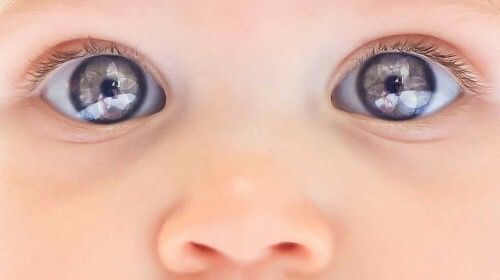
A global shortage of pediatric ophthalmologists often leaves remote clinics without the expertise needed for timely ROP screening.
Modern NICUs manage a massive number of premature births, creating a bottleneck for manual weekly eye examinations.
Interpretation of retinal vascular changes varies between clinicians, leading to inconsistent staging of Plus Disease.
🇪🇬 National Artificial Intelligence Strategy (2025-2030)
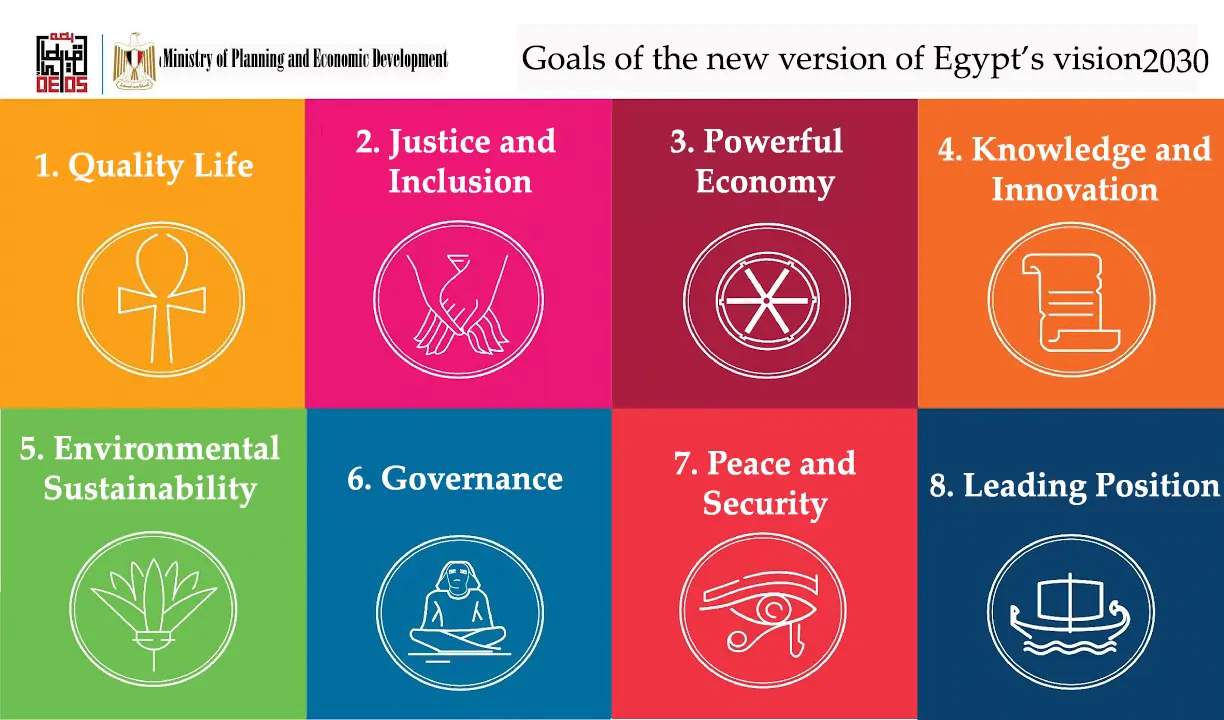
Egypt has a national AI strategy aimed at transforming key sectors including healthcare, education, and agriculture by adopting AI technologies to improve quality of life and service delivery.
“ROP AI aligns with Egypt’s National Artificial Intelligence Strategy, contributing to the adoption of AI in healthcare to improve disease detection and citizen wellbeing.”
Sustainable Development Agenda
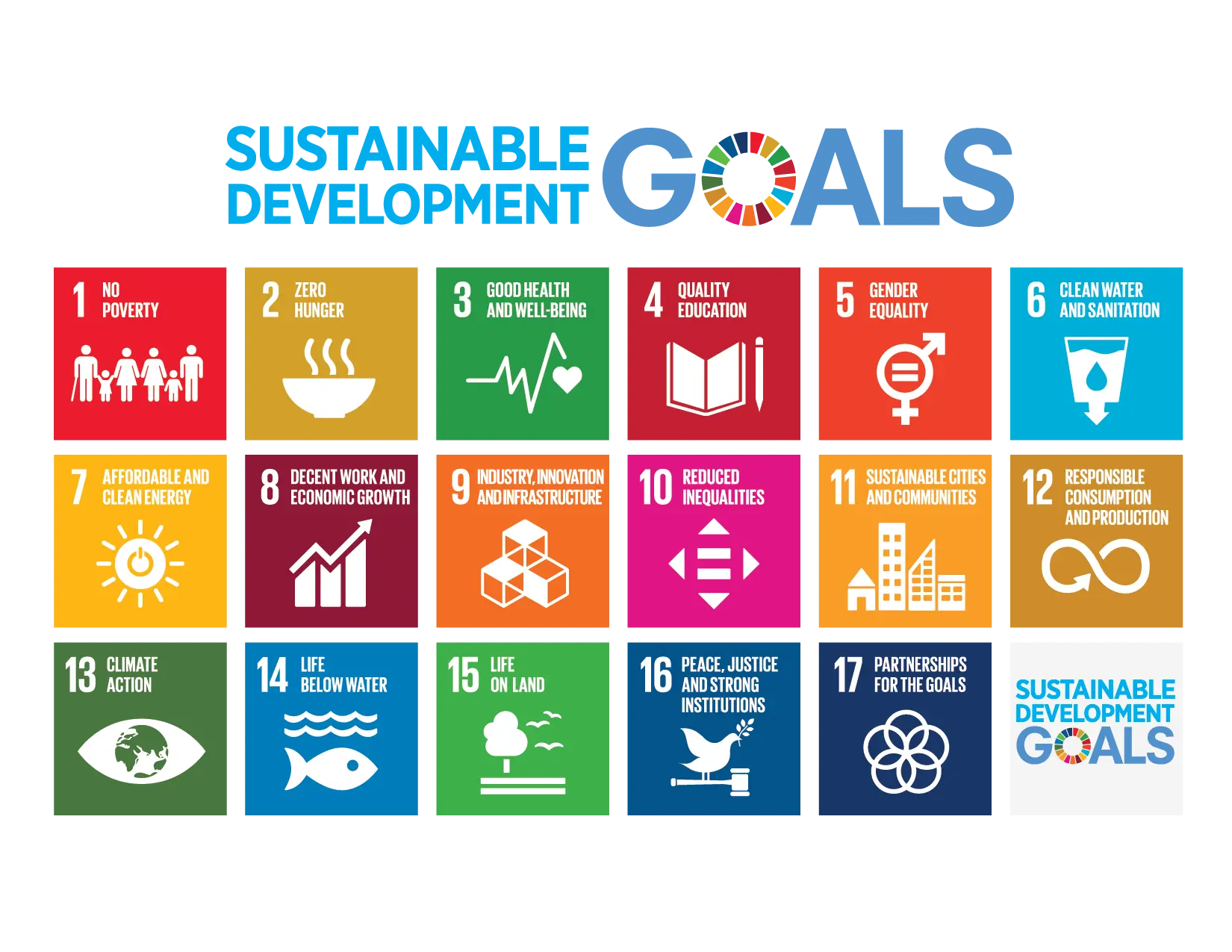
Aligned with the UN SDGs, it emphasizes inclusive growth and social justice through digital health initiatives and healthcare modernization.
“ROP AI supports Egypt’s Vision 2030 by advancing digital healthcare innovation and contributing to improved neonatal health outcomes.”
Expanding digital health infrastructure through electronic records and digital monitoring systems to enhance patient care accessibility.
“Our solution complements Egypt’s digital health transformation by helping clinicians detect ROP earlier through AI-enhanced diagnostics.”
Promoting global digital tools to accelerate accessible health outcomes for all populations across the world.
Supporting SDG 3 (Good Health and Well-being) by enabling early detection and improving healthcare delivery for vulnerable groups.
“ROP AI contributes to the UN Sustainable Development Goals by supporting equitable access to advanced diagnostic tools for vulnerable neonates.”
Enabling expert-level screening in rural clinics through cloud-based AI analysis.
Direct integration with neonatal care systems for seamless data flow and risk monitoring.
Automatically prioritizing high-risk cases for immediate review by senior specialists.
High-resolution fundus images are uploaded to our secure clinical cloud.
Algorithms normalize luminosity and enhance vascular details for clarity.
Deep learning models classify ROP stage and detect Plus Disease markers.
Instant generation of detailed reports for immediate medical intervention.
Premature Births
Global Annual Cases
Risk of Blindness
Infants Affected Yearly
AI Health Market
Projected Growth by 2026
Help us improve early detection and awareness of Retinopathy of Prematurity by participating in our public awareness survey.
Take the Survey
Project Supervisor
Thanks for being our guiding light!
Back-End Developer
Deep Learning Specialist
Back-End Developer
Machine Learning Engineer
Computer Vision Engineer
Data Scientist
UI/UX Designer
UI/UX Designer
ROP is a potentially blinding eye disorder that primarily affects premature infants weighing about 2¾ pounds (1250 grams) or less who are born before 31 weeks of gestation. It is caused by abnormal blood vessel growth in the light-sensitive retina of the eye.
Blood vessels in the retina normally complete their development a few weeks before birth. In premature infants, this process is disrupted. The eye then tries to repair itself by growing new vessels, but these are often abnormal and can lead to scarring and retinal detachment. Key risk factors include low birth weight, early gestational age, and supplemental oxygen therapy.
NeoVuo AI acts as an advanced triage tool. While a standard diagnosis relies solely on the ophthalmologist's manual review at the bedside, our AI analyzes retinal images to rapidly flag high-risk zones (Zone I/II) and \'Plus\' disease, ensuring that urgent cases are prioritized for the doctor's attention.
Not all babies with ROP need treatment. In many mild cases (Stage 1 and 2), the condition resolves on its own as the eye matures. Treatment is usually required only for severe cases (Stage 3 with Plus disease or higher) to prevent retinal detachment.
ROP is classified into 5 stages: Stage 1 (mildly abnormal vessel growth), Stage 2 (moderately abnormal), Stage 3 (severely abnormal vessel growth), Stage 4 (partial retinal detachment), and Stage 5 (total retinal detachment). 'Plus disease' indicates a severe, rapidly progressing form.
Yes. NeoVuo AI is a software tool that processes images taken during standard eye exams. It does not require any additional physical contact or procedures with the infant. The original eye exam is conducted by trained medical staff using standard protocols.
Infants with severe ROP are at higher risk for vision problems later, such as nearsightedness (myopia), strabismus (crossed eyes), or amblyopia (lazy eye). Regular follow-up exams with an ophthalmologist are crucial even after the ROP has resolved.
No. NeoVuo AI is an assistive triage tool. It highlights potential risk areas and suggests staging to speed up the screening process, but the final diagnosis and treatment decision always remains with the qualified clinician.
Our models are trained on clinically validated datasets (like KIDROP and proprietary local datasets). While accuracy is high in testing environments, we are currently in the research demo phase to validate real-world performance.
Security is our priority. We use an anonymization pipeline that strips PII (Personal Identifiable Information) from images before processing. For the demo, we operate on a 'Zero-Retention' policy, meaning images are deleted after analysis.
Access is currently restricted to research partners and clinical observers. You can request access by filling out the 'Get Involved' form below to join our waitlist.
Be part of the specialized cohort exploring our automated screening methods. We are accepting registration for clinical observers and research partners.
Our medical team will review your application and send the credentials to your medical email address.